Easy Korean Bibimbap
Highlighted under: World Cuisine Recipes
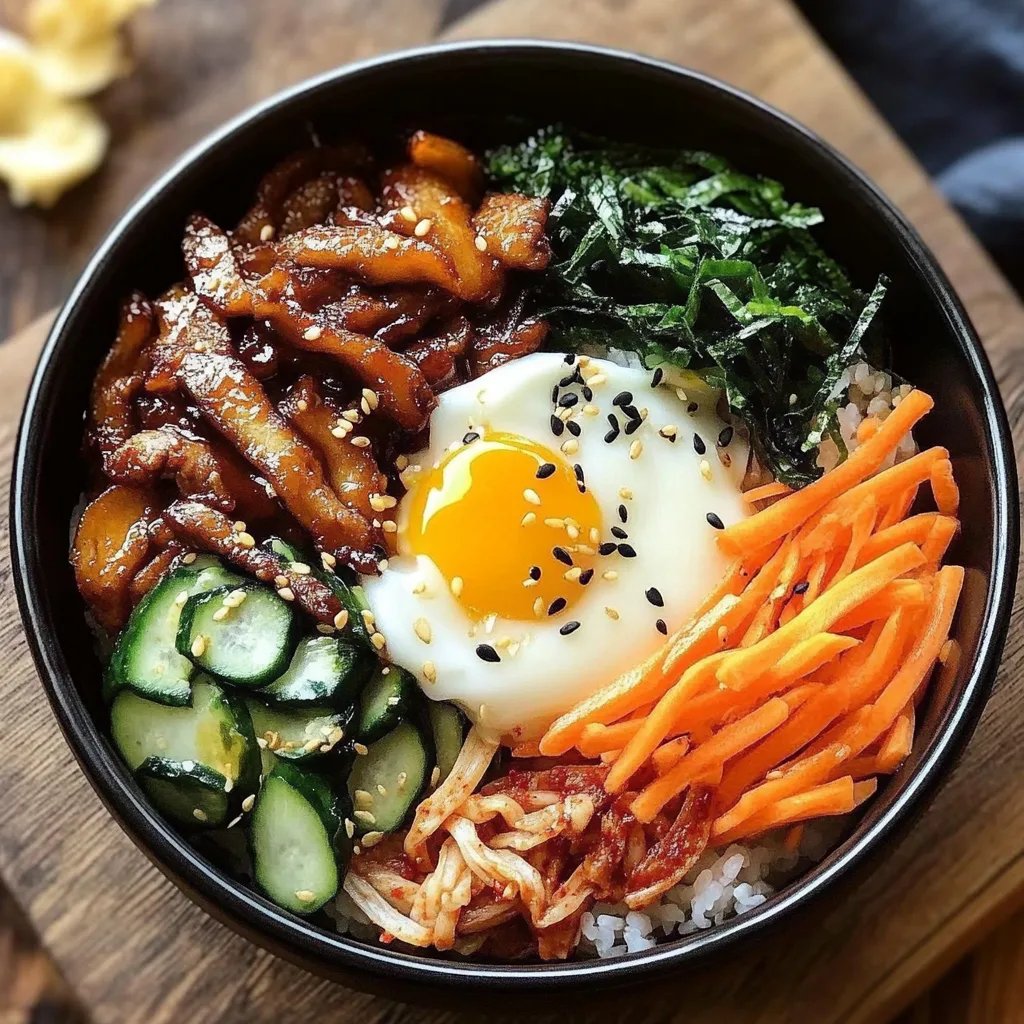
Experience the vibrant flavors of Korean cuisine with this easy Bibimbap recipe. A colorful and nutritious mix of rice, sautéed vegetables, marinated meat, and a sunny-side-up egg, this dish is not only visually appealing but also full of wholesome ingredients. Top it off with gochujang for a spicy kick and enjoy a harmonious blend of textures and tastes that makes any meal special.

This Bibimbap recipe combines various elements of Korean cooking, highlighting the importance of balance in flavors and colors.
The Heart of Bibimbap: Rice and Toppings
At its core, Bibimbap is a rice dish, and the quality of the rice can make a significant difference in the overall experience. Short-grain rice is preferred, as it holds together well and complements the vivid toppings beautifully. Each bite should offer a delightful contrast between the soft rice and the crisp vegetables, creating a delightful texture.
In addition to rice, the toppings are what really elevate Bibimbap into a culinary masterpiece. The combination of sautéed vegetables such as carrots, zucchini, and spinach not only adds color but also infuses the dish with essential nutrients. The flexibility in choosing your toppings allows for customization, ensuring that each preparation can be personal and unique.
The Importance of Gochujang
Gochujang, a staple in Korean kitchens, is more than just a condiment for Bibimbap—it’s a flavor powerhouse. Made from red chili powder, glutinous rice, fermented soybeans, and salt, this sweet and spicy paste ties all the components together. A spoonful can drastically alter the dish, introducing layers of flavor that can be adjusted to suit your palate.
While some may prefer a milder seasoning, others enjoy a robust kick from the gochujang. By controlling the amount added, you can tailor the spice level to your liking, making this dish enjoyable for everyone. So don’t hesitate to experiment with the quantity until you find your perfect balance.
Perfecting Your Bibimbap Technique
Assemble your Bibimbap with care for an authentic presentation. Layering the ingredients aesthetically not only improves the visual appeal but also enhances the experience as you mix everything together. Serve it in a shallow bowl or plate that allows you to display the colorful ingredients attractively.
When it comes to mixing your Bibimbap, don't be shy! The beauty of this dish lies in the combination of flavors. Use your chopsticks or a spoon to blend the rice, vegetables, and meat evenly. The melding of the various tastes creates a satisfying and harmonious experience that showcases the best of Korean cuisine.
Ingredients
Gather all ingredients before you start cooking.
Ingredients
- 2 cups cooked rice
- 1 cup assorted sautéed vegetables (carrots, zucchini, spinach)
- 200g marinated meat (beef or chicken)
- 4 sunny-side-up eggs
- 2 tablespoons gochujang
- Sesame oil
- Sesame seeds for garnish
Make sure to have all toppings ready before serving.
Instructions
Follow these steps to prepare your Bibimbap.
Prepare the Vegetables
Sauté each vegetable separately in a pan with a little sesame oil until tender.
Cook the Meat
Marinate your choice of meat and cook it in a pan until fully done.
Fry the Eggs
In the same pan, fry the eggs sunny-side-up, leaving the yolks runny.
Assemble the Bibimbap
In a bowl, layer the rice, vegetables, meat, and top with a fried egg. Drizzle with gochujang and sprinkle sesame seeds.
Mix everything together just before eating for the best flavor.
Pro Tips
- For extra flavor, add a drizzle of soy sauce or a sprinkle of seaweed flakes.
Serving Suggestions
Bibimbap is a versatile dish that can be served in various ways. For a balance of flavors, consider adding pickled vegetables, such as kimchi, to each bowl. This adds a tangy crunch that complements the savory elements beautifully and enhances the overall taste experience.
Moreover, serving Bibimbap in hot stone bowls (dolsot) can elevate the dish. The heat keeps the rice warm and develops a deliciously crispy bottom layer, known as nurungji. This texture adds an enjoyable contrast to the softness of the other toppings.
Tips for Perfecting Your Bibimbap
One simple yet effective tip is to make use of seasonal vegetables. Fresh, local ingredients will not only enhance the flavor but also provide optimal nutrition. As seasons change, so can your Bibimbap ingredients. Embrace the variety that each season brings, allowing your dish to evolve throughout the year.
Don't be afraid to elevate your protein choice. While traditional Bibimbap often features marinated beef or chicken, feel free to substitute with tofu for a delicious vegetarian option or even seafood for a different twist. This flexibility allows for various adaptations, accommodating dietary preferences while maintaining the essence of the dish.
Questions About Recipes
→ Can I use different vegetables?
Absolutely! Feel free to use any vegetables you prefer or have on hand.
→ Is Bibimbap gluten-free?
If you choose gluten-free soy sauce and check other ingredients, Bibimbap can be gluten-free.
Easy Korean Bibimbap
Created by: The Quickbitehub Team
Recipe Type: World Cuisine Recipes
Skill Level: Intermediate
Final Quantity: 4.0
What You'll Need
Ingredients
- 2 cups cooked rice
- 1 cup assorted sautéed vegetables (carrots, zucchini, spinach)
- 200g marinated meat (beef or chicken)
- 4 sunny-side-up eggs
- 2 tablespoons gochujang
- Sesame oil
- Sesame seeds for garnish
How-To Steps
Sauté each vegetable separately in a pan with a little sesame oil until tender.
Marinate your choice of meat and cook it in a pan until fully done.
In the same pan, fry the eggs sunny-side-up, leaving the yolks runny.
In a bowl, layer the rice, vegetables, meat, and top with a fried egg. Drizzle with gochujang and sprinkle sesame seeds.
Extra Tips
- For extra flavor, add a drizzle of soy sauce or a sprinkle of seaweed flakes.
Nutritional Breakdown (Per Serving)
- Protein: 30g
- Carbohydrates: 80g
- Fat: 25g