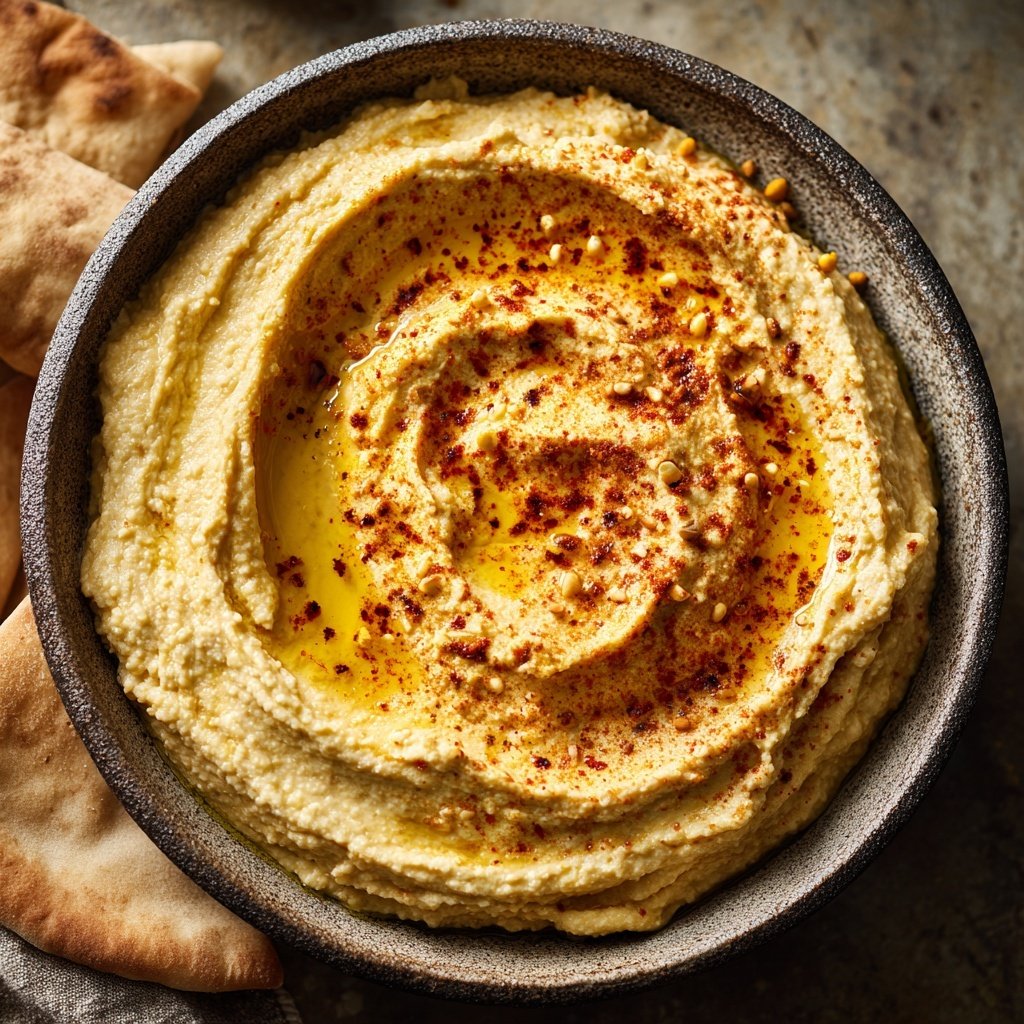
This Best Hummus Recipe is a crowd-pleaser that brings the flavors of the Middle East right into your kitchen. Perfect as a dip or a spread, it's healthy and delicious!
Why You'll Love This Recipe
- Creamy texture that's easy to spread and dip into
- Rich flavor enhanced by fresh garlic and lemon juice
- Perfect for gatherings or as a healthy snack option
The Origins of Hummus
Hummus has a rich and diverse history that dates back thousands of years. Originating from the Middle East, this creamy spread has become a staple in various cuisines around the world. Although its exact origins are debated, many believe it was first enjoyed in ancient civilizations such as the Phoenicians and Egyptians. Today, hummus is not only loved for its taste but also for its nutritional benefits.
Traditionally made from chickpeas, hummus has evolved into numerous variations, incorporating ingredients like roasted red peppers, olives, and herbs. Each region adds its unique twist, showcasing the versatility of this beloved dish. Whether served as a dip, spread, or part of a mezze platter, hummus continues to bring people together, transcending cultural and culinary boundaries.
Health Benefits of Hummus
Hummus is more than just a delicious snack; it's also packed with health benefits. Chickpeas, the main ingredient, are an excellent source of plant-based protein, making hummus a great option for vegetarians and vegans. They also contain essential vitamins and minerals, including folate, iron, and magnesium, which support overall health.
Additionally, the tahini found in hummus provides healthy fats that are important for heart health. The addition of fresh garlic and lemon juice not only enhances the flavor but also offers antioxidant properties. Incorporating hummus into your diet can support weight management, improve digestion, and even boost your mood, making it a guilt-free indulgence.
Pairing Suggestions
One of the best things about hummus is its versatility. It pairs wonderfully with a variety of foods, making it an excellent choice for entertaining or casual snacking. Fresh vegetables like carrots, cucumbers, and bell peppers make for crunchy dippers that complement the creamy texture of hummus. You can also serve it alongside pita chips or warm pita bread for a satisfying crunch.
For a more substantial meal, consider using hummus as a spread on sandwiches or wraps. It adds flavor and creaminess, elevating simple ingredients into something special. Whether at a picnic, party, or just a quiet night in, hummus can easily adapt to various occasions and tastes.
Ingredients
Hummus Ingredients
- 1 can (15 oz) chickpeas, drained and rinsed
- 1/4 cup tahini
- 2 tablespoons olive oil
- 2 tablespoons fresh lemon juice
- 1 clove garlic, minced
- 1/2 teaspoon ground cumin
- Salt to taste
- Water as needed
Combine all ingredients in a food processor for the best results!
Instructions
Blend the Ingredients
In a food processor, combine the chickpeas, tahini, olive oil, lemon juice, garlic, and cumin. Blend until smooth.
Adjust Consistency
If the hummus is too thick, add water a tablespoon at a time until you reach your desired consistency. Season with salt.
Serve
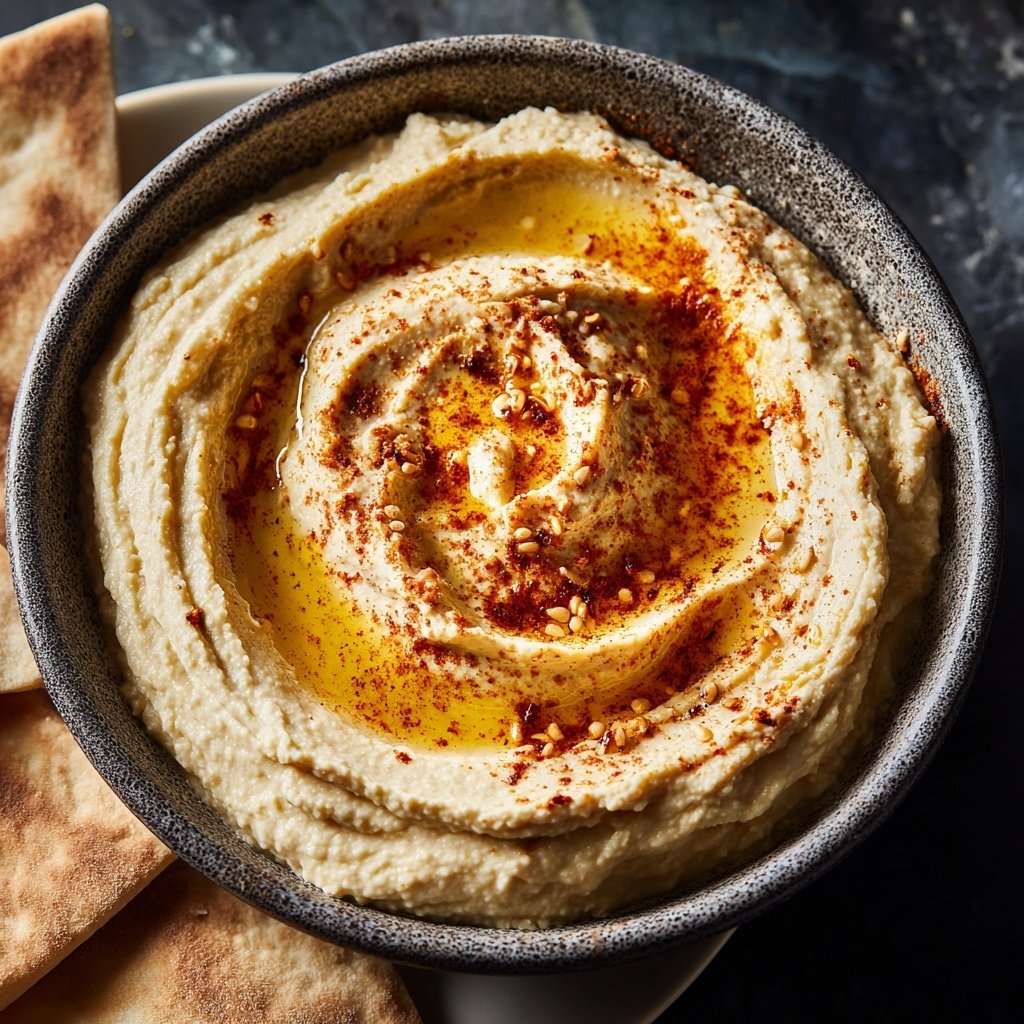
Transfer the hummus to a serving bowl. Drizzle with olive oil and sprinkle with paprika if desired.
Enjoy your delicious homemade hummus with pita bread or fresh veggies!
Pro Tips
- For extra flavor, try adding roasted red peppers or herbs like parsley.
Storage Tips
To keep your hummus fresh and tasty, store it in an airtight container in the refrigerator. Homemade hummus can last up to a week, but it's best enjoyed within a few days for optimal flavor and texture. If you notice the hummus thickening over time, simply stir in a little water or olive oil to restore its creaminess.
For longer storage, consider freezing hummus. Portion it into freezer-safe containers or ice cube trays for easy access. When you're ready to enjoy it, simply thaw in the refrigerator overnight or microwave it for a quick snack. This way, you can always have a healthy option on hand, ready to go!
Customization Ideas
One of the joys of making hummus at home is the ability to customize it to your liking. Start by experimenting with different flavor enhancers. Add roasted garlic for a mellow sweetness, or throw in some spicy jalapeños for a kick. Fresh herbs like parsley or cilantro can brighten up the flavor profile, giving your hummus a unique twist.
You can also play with the texture by adjusting the amount of tahini or olive oil. If you prefer a chunkier hummus, pulse the ingredients less in the food processor. For a gourmet touch, top your hummus with toasted pine nuts, feta cheese, or a drizzle of balsamic glaze. The possibilities are endless, so feel free to get creative and make it your own!
Questions About Recipes
→ Can I make hummus without tahini?
Yes, you can substitute tahini with additional olive oil or nut butter.
→ How long can I store hummus?
Hummus can be stored in the refrigerator for up to 5 days.
→ Can I freeze hummus?
Yes, hummus freezes well. Store in an airtight container for up to 3 months.
→ What can I serve with hummus?
Hummus pairs well with pita chips, fresh vegetables, and crackers.
Best Hummus Recipe
Created by: The Quickbitehub Team
Recipe Type: World Cuisine Recipes
Skill Level: Easy
Final Quantity: 4 servings
What You'll Need
Hummus Ingredients
- 1 can (15 oz) chickpeas, drained and rinsed
- 1/4 cup tahini
- 2 tablespoons olive oil
- 2 tablespoons fresh lemon juice
- 1 clove garlic, minced
- 1/2 teaspoon ground cumin
- Salt to taste
- Water as needed
How-To Steps
In a food processor, combine the chickpeas, tahini, olive oil, lemon juice, garlic, and cumin. Blend until smooth.
If the hummus is too thick, add water a tablespoon at a time until you reach your desired consistency. Season with salt.
Transfer the hummus to a serving bowl. Drizzle with olive oil and sprinkle with paprika if desired.
Extra Tips
- For extra flavor, try adding roasted red peppers or herbs like parsley.
Nutritional Breakdown (Per Serving)
- Calories: 200 kcal
- Total Fat: 10g
- Saturated Fat: 1g
- Cholesterol: 0mg
- Sodium: 60mg
- Total Carbohydrates: 24g
- Dietary Fiber: 6g
- Sugars: 2g
- Protein: 6g